A machine rarely breaks down at a convenient time.
One unexpected failure can stop production, delay an order, increase repair costs, and put extra pressure on the maintenance team. That is why many plants are shifting from reactive repairs to planned maintenance.
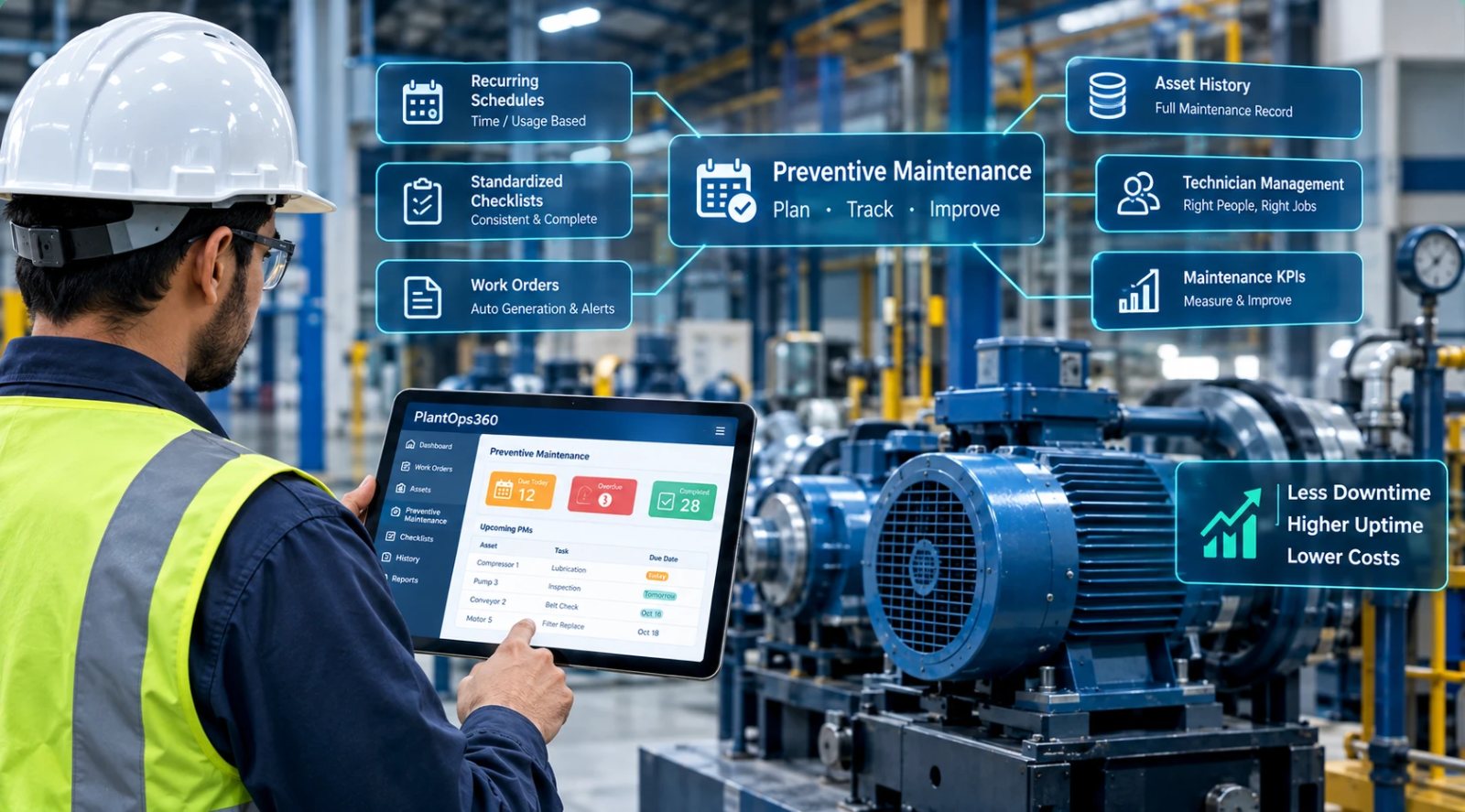
Preventive maintenance software helps teams schedule maintenance before equipment fails. It keeps track of service dates, recurring jobs, work orders, and maintenance history in one place.
The result is a simpler maintenance process, fewer surprises, and better equipment uptime.
What Is Preventive Maintenance?
Preventive maintenance means carrying out planned maintenance before a machine develops a serious problem.
Instead of waiting for equipment to fail, the maintenance team checks and services it at regular intervals.
This can include tasks such as:
- Lubricating moving parts
- Checking belts and bearings
- Cleaning filters
- Inspecting electrical connections
- Replacing worn components
- Calibrating instruments
- Checking oil or fluid levels
For example, a compressor may need servicing after a certain number of operating hours. A conveyor may need a monthly inspection.
The idea is simple: fix small issues before they turn into expensive breakdowns.
The right maintenance system makes this easier by keeping schedules, tasks, work orders, and asset records together instead of depending on notebooks or spreadsheets.
How Preventive Maintenance Works in a Plant
A good preventive maintenance program does not need to be complicated. It usually follows a few clear steps.
Start With Your Most Important Equipment
Not every machine needs the same level of attention.
Start with equipment that has the biggest impact on production, safety, quality, or delivery.
Ask questions such as:
- What happens if this machine stops?
- How often has it failed before?
- Is it difficult or expensive to repair?
- Does it affect other machines in the process?
This helps the maintenance team focus on the assets that matter most.
Decide What Needs to Be Done and When
Once critical equipment is identified, define the maintenance tasks for each asset.
Some jobs may be weekly. Others may be monthly, quarterly, or based on operating hours.
For example, a motor may need a monthly inspection, while another machine may require lubrication every 500 running hours.
A clear preventive maintenance schedule helps technicians know exactly what needs to be done and when.
Create and Complete Maintenance Work Orders
This is where preventive maintenance software becomes useful.
The system can automatically create work orders when a maintenance task is due. Technicians can then see the job, follow instructions, complete the task, and record their findings.
There is less dependence on manual reminders, emails, or individual memory.
Maintenance managers also get a clearer view of completed, pending, and overdue work.
Review What Is Working
Preventive maintenance should improve over time.
If a machine still breaks down frequently, something may need to change.
The team may need to:
- Increase the maintenance frequency
- Change the inspection checklist
- Replace a recurring weak component
- Review operating conditions
- Investigate the real cause of repeated failures
Maintenance history helps the team make these decisions using actual plant data instead of assumptions.
Benefits of Preventive Maintenance for Plant Operations
The biggest benefit of preventive maintenance is not simply "doing maintenance on time."
It helps the plant operate with fewer unexpected disruptions.
Some of the main benefits of preventive maintenance include:
- Fewer sudden equipment breakdowns
- Better machine availability
- Less unplanned production downtime
- Longer equipment life
- Better planning of maintenance manpower
- Improved spare parts planning
- Better maintenance records
- More consistent safety checks
- Fewer emergency repair situations
When maintenance is planned, technicians can work in a more organised way instead of constantly reacting to urgent breakdowns.
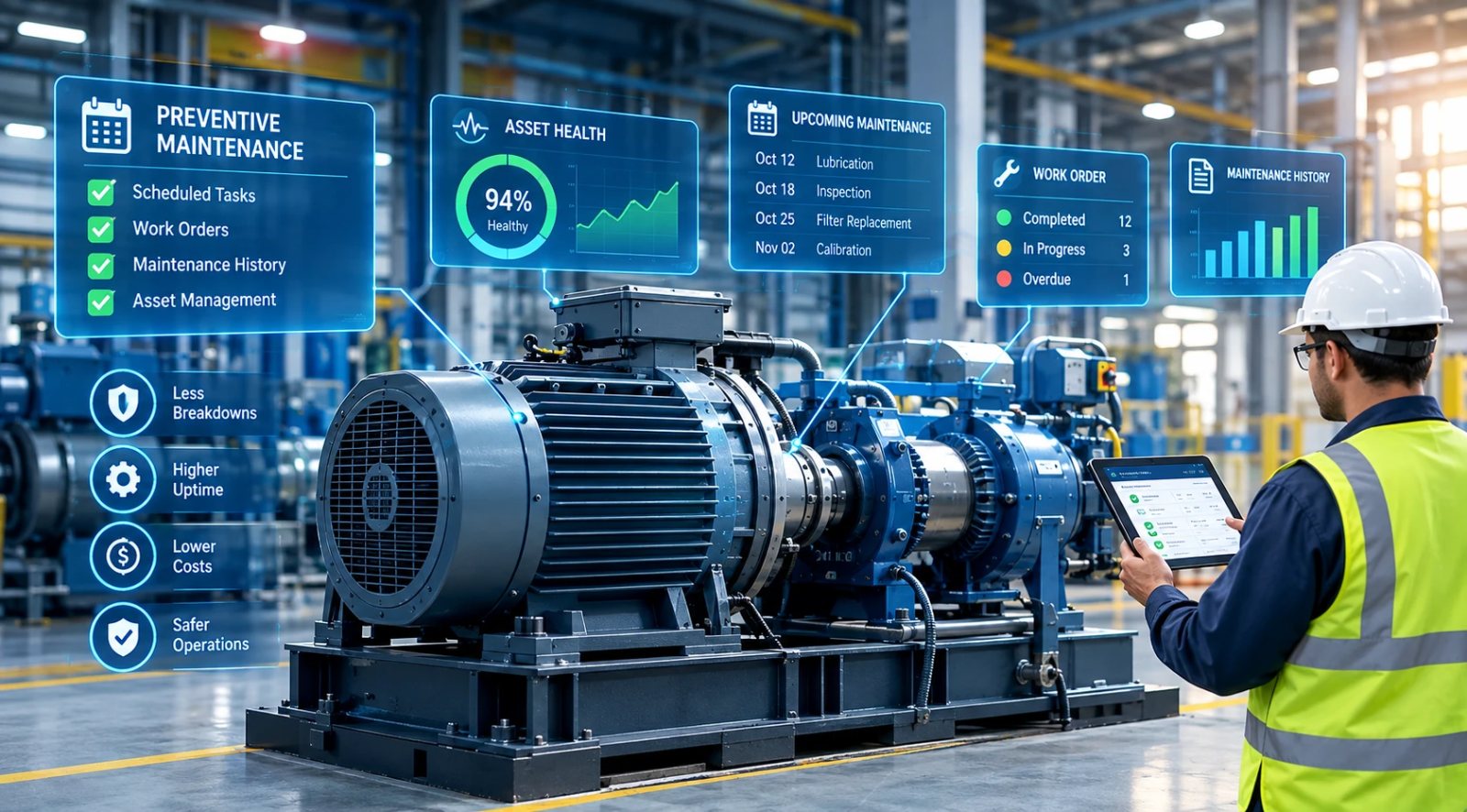
With a digital maintenance system, managers can also see upcoming jobs and overdue tasks from one dashboard. This makes it easier to spot problems before they start affecting production.
How to Create a Practical Preventive Maintenance Schedule
A good schedule should support the maintenance team, not overload them.
Scheduling too little maintenance can increase breakdown risk. Scheduling too much can waste time, labour, and spare parts.
Start with equipment manufacturer recommendations, then improve the schedule using your own maintenance history.
A practical schedule should include:
- Equipment name
- Maintenance activity
- Task frequency
- Responsible technician or team
- Required tools
- Required spare parts
- Safety instructions
- Inspection checklist
- Completion details
- Technician remarks
It is usually better to begin with critical machines instead of trying to cover every asset at once.
Once the process becomes stable, you can gradually add more equipment.
A digital system also makes recurring scheduling easier because maintenance jobs can be generated automatically based on time or usage.
When Is It Time to Move Beyond Spreadsheets?
Spreadsheets can work when a plant has only a small number of machines and maintenance tasks.
But as operations grow, things become harder to manage.
You may start seeing problems such as:
- Maintenance jobs being missed
- Different teams using different files
- No clear ownership of tasks
- Difficulty checking past maintenance history
- Outdated asset information
- Too many manual follow-ups
- Poor visibility across multiple plants
At this stage, preventive maintenance software can provide a more structured way to manage maintenance.
Schedules, asset history, work orders, checklists, and technician updates can all stay connected in one system.
This gives maintenance managers a clearer picture of what is happening on the plant floor.
Frequently Asked Questions About Preventive Maintenance
How often should preventive maintenance be done?
There is no single frequency that works for every machine.
It depends on equipment type, usage, working conditions, manufacturer recommendations, and past failure history. High-use or critical machines usually need more frequent checks.
What is the difference between preventive and predictive maintenance?
Preventive maintenance is done at planned intervals.
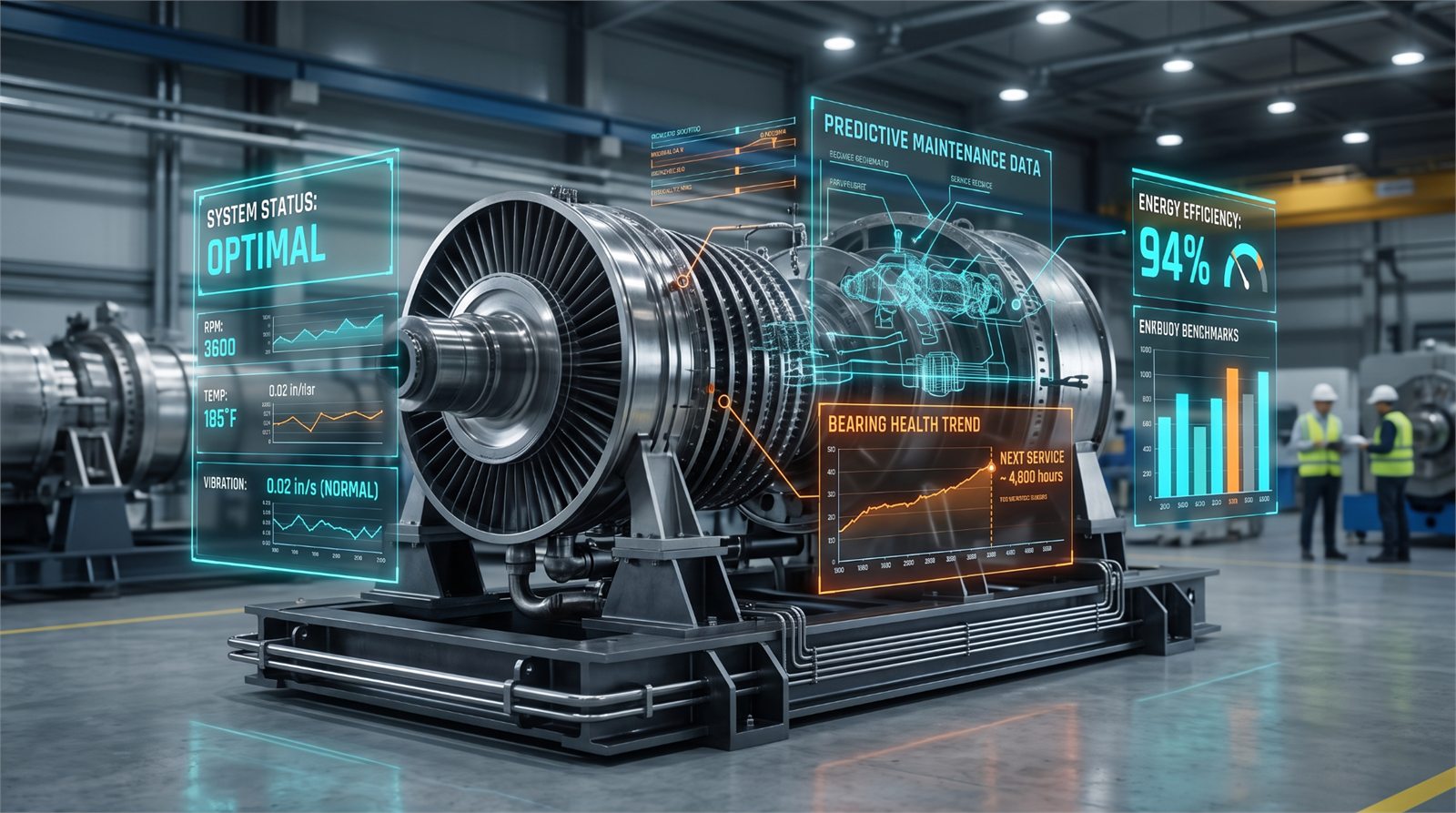
Predictive maintenance uses equipment condition or performance data to decide when maintenance may be required. Many plants use both approaches depending on the importance of the asset.
Can preventive maintenance help control spare parts costs?
Yes.
When maintenance is planned, teams can estimate which parts will be needed in advance. This reduces last-minute purchases and emergency sourcing. However, parts should not be replaced earlier than necessary without a clear reason.
Which maintenance KPIs should plant managers track?
Useful KPIs include PM compliance, equipment downtime, overdue work orders, planned versus unplanned maintenance, maintenance cost, and mean time between failures.
These numbers help managers understand whether the maintenance program is actually improving reliability.
Conclusion
Preventive maintenance is mainly about staying ahead of problems instead of waiting for equipment to fail.
A clear schedule, well-defined tasks, and regular reviews can help reduce breakdowns and improve plant reliability.
As the number of machines and maintenance activities grows, preventive maintenance software makes the process easier to manage. It brings schedules, work orders, maintenance records, and asset information together in one place.
With PlantOps360, maintenance teams can move away from constant breakdown firefighting and build a more planned, organised, and reliable maintenance process.
Explore PlantOps360 to see how preventive maintenance can help your plant improve uptime and manage maintenance more effectively.